Relational design for world-class events
Event professionals put extraordinary care into crafting unforgettable experiences.
Yet even at the most meticulously planned gatherings, one critical element is often left to chance: how relationships form among the people in the room.
I partner with event leaders to make human interaction a core design consideration. Together, we create an intentional relational architecture across the attendee journey — one that helps people meet more naturally, build trust, learn from one another, and leave with relationships that last.
In practice, that means designing the attendee journey: how people meet, interact, build trust, and form relationships from the moment they register through long after they leave.
Because, at the end of the day, the number one reason people buy a ticket is each other.
I knew what real connection could look like
For ten years, I’ve run peership groups: intimate, confidential groups where people share with deep honesty. What happens in those rooms looks nothing like networking. People help change the course of one another’s decisions, and sometimes their lives. Years later, many stay connected, knowing they share something rare.
When event organizers began asking me to bring peership groups into conferences, I saw the contrast clearly. Event attendees could spend several days together without ever meaningfully connecting: conversations stayed surface-level, networking felt awkward, and people left with LinkedIn contacts they never truly bonded with.
Relational design became my answer.
It is the intentional design of how people meet, interact, build trust, and form relationships throughout an event. Drawing on a decade spent observing how people bond, I design the conditions that allow deeper relationships (peership) to emerge — even within much larger gatherings.
The results are immediate: conversations become easy and meaningful, attendees become invested in one another, and the event begins to feel less like a room of strangers and a lot more like a community.
“No walls, no judgments. Everyone can just be themselves.”
“I know these are lasting friendships that have been formed.”
“It has been a life-changing experience, not only for my business but for myself.”
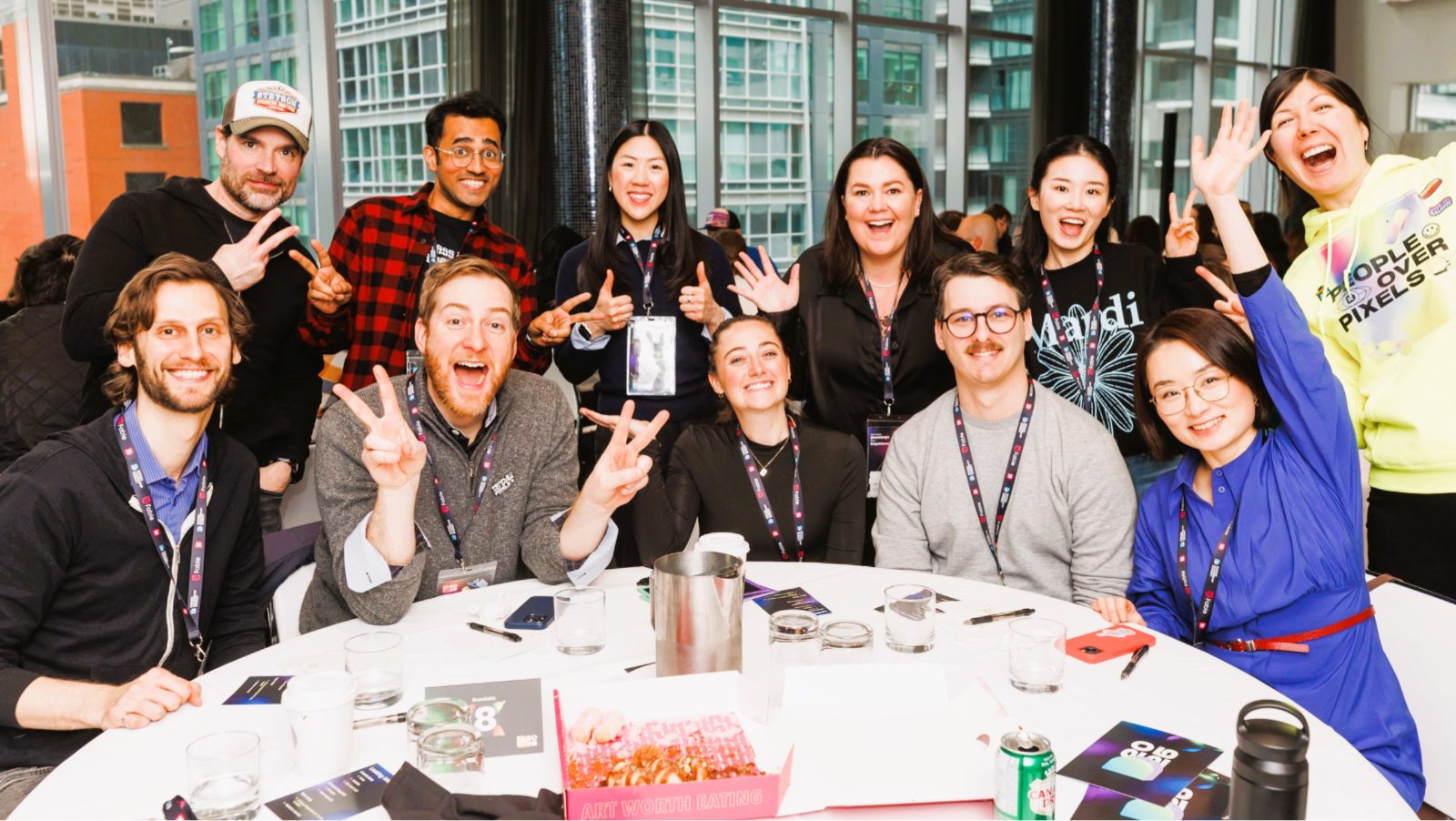
Designing the relational architecture
Belonging isn’t built in a single happy hour.
It's an emotional threshold earned over time through a series of micro-experiences.
Every event has a relational architecture: a combination of spaces, formats, prompts, transitions, and shared experiences that shapes how attendees relate to one another. But without intentional design, you'll hear people chatter away while their connections rarely get strong.
When working with clients, I use the relational arc, a tool I created to think of relationships across the whole event. It includes 10 milestones every event should design for.
Welcome & safety
Seeding psychological safety early through intentional welcome dynamics, so attendees arrive feeling seen, recognized, and safe.
Relational high
Building social momentum through experiences designed to move people past superficial small talk and into meaningful and memorable conversations.
Meaning & belonging
Building in structured moments to consolidate takeaways, share sense-making, and cement new relationships.
Unlocking your event’s most powerful lever
Through the relational design process, we examine the full event ecosystem — agenda pacing, session formats, physical space, transitions, welcome, and opportunities for meaningful peer interaction. Together these form your event’s relational architecture.